Lost Paths of Japanese Traditional Artisans— Navigating Uncertainty, Tradition, and Survival
- 美彰院-BISHOIN- 美術修復スタジオ
- Dec 25, 2025
- 4 min read
Lost in the Forest — And Still Walking
“Where on earth am I?”
That feeling of being completely lost...

Thank you for stopping by—whether this is your first visit or you are returning.
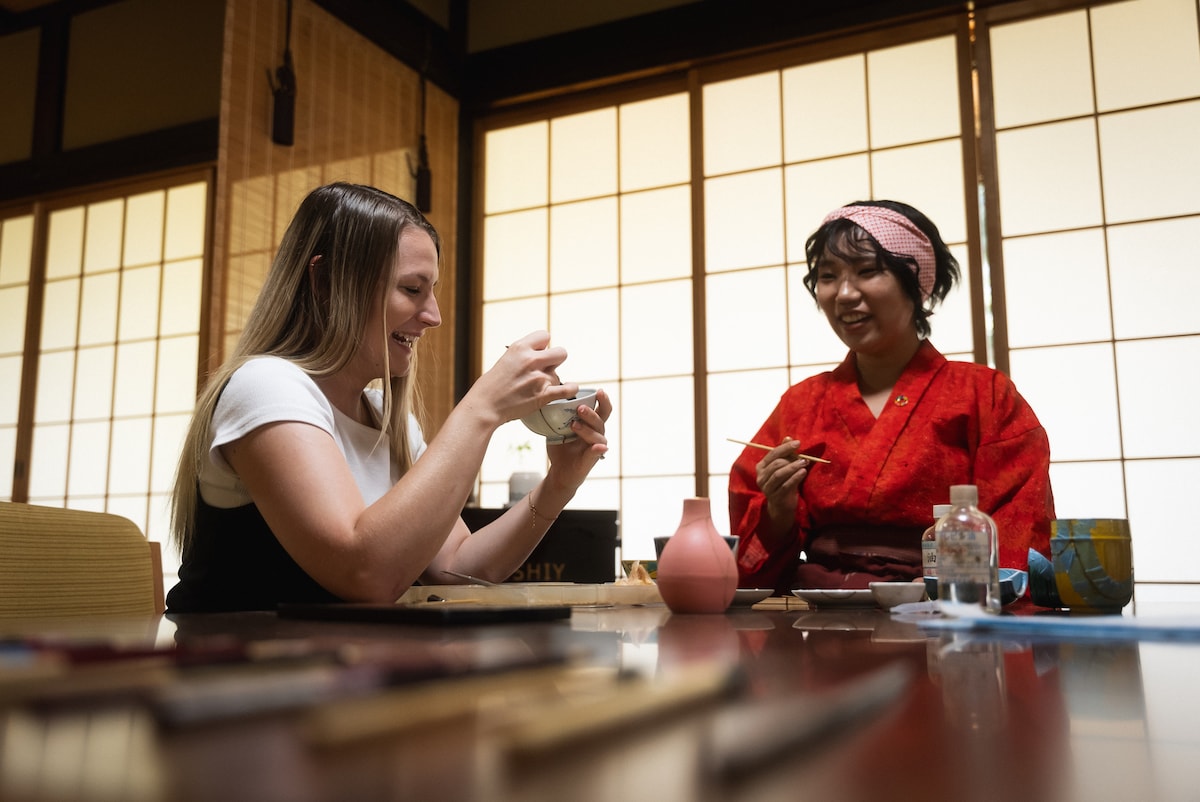
My name is Sakamoto (Kintsugi artist), and as of 2025, I serve as a board member of Kyoto Traditional Industries Wakaba-kai, an association of young artisans working in Japan’s traditional crafts.
Through this role, I have had countless conversations with fellow artisans—ceramicists, lacquer artists, textile workers, metal craftsmen—each carrying their own stories.
What often emerges in these conversations is not only:
✓ passion for technique,
✓ pride in preserving tradition,
but also a quieter, unspoken concern:
“Can I really make a living this way?” “Is this path sustainable?” “Am I doing this right?”
These doubts are rarely spoken aloud, yet deeply shared.
To be honest, I myself am still wandering on this “lost path.”
We report on the current realities faced by young practitioners in Japan’s traditional industries.
Not a Traditional Path — And the Guilt That Comes With It
I did not inherit a family workshop.
Although my field is Kyoto lacquerware, my work does not follow the most traditional route of production. Instead, I focus on:
art restoration and conservation
kintsugi repair
hosting hands-on kintsugi experiences
exhibiting and selling works through a guesthouse setting
In short, my activities could be described as unorthodox.
Serving as a board member among many highly skilled, traditionally trained artisans, I often feel hesitation—guilt.
Am I qualified to speak? To represent others?
And yet, I continue writing.
Because a question keeps resurfacing:
Must one be “purely traditional” to speak about tradition?Could our own rigid ideas of what an artisan “should be” be accelerating the decline of traditional industries?
These contradictions linger quietly—but powerfully.
This blog is an attempt to gently bring them into the open.

A Golden Route Through the Lost Path
Many artisans unknowingly carry a kind of invisible curse:
“If I chose this path, I must walk it correctly.”
Below is what I call “The Golden Route of Getting Lost”—common struggles shared by many artisans, regardless of discipline or experience.
(All observations are based on my own research and conversations.)
Unstable income and future anxiety
Seeing peers secure steady government or institutional contracts can trigger (panic).
Low take-home pay and irregular work cycles
Exhibitions exist, but they rarely lead to long-term clients or repeat orders.
Difficulty with sales, marketing, and communication
Many want to adapt to modern methods but feel unprepared—or even ashamed—due to lack of business experience.
Confidence in making, discomfort in selling
Creating is natural. Promoting oneself feels wrong.
Standing out is feared. Harmony is prioritized.
Uncertainty around online presence (SNS, websites)
The importance is understood, yet action feels paralyzing.
Aging clientele and shrinking markets
Long-standing clients grow older, while new brand identity remains undeveloped.
Isolation and lack of information
Few chances to speak with peers of the same generation or field.
Many quietly feel left behind.
Tension between tradition and innovation
“If we change too much, is it still tradition?”
“Will innovation dishonor our predecessors?”
Fear of trying something new
Not everyone wants to be a pioneer.
Many simply wish to work quietly with their hands.
Different Stages, Different Lost Paths
Apprentices (20s)
Low wages, physical exhaustion from balancing side jobs
Difficulty speaking openly to masters
Anxiety about independence
Comparing themselves to early-success peers
Independent Artisans (30s)
Handling everything alone: production, sales, accounting
Losing time for actual creation
Events that end without continuity
Undervaluing their own work
Financial pressure from rent and family responsibilities
Family Successors (30s–40s)
Conflict between inherited methods and personal vision
Pressure of being “the next generation”
Comparing oneself to an exceptionally skilled parent
Realizing too late that business skills were never taught
Fear of losing not just a business, but a home and identity
Being Lost Does Not Mean Standing Still
The reality is complex.
Everyone carries doubts they rarely voice.
But being lost means you are *walking*.
Thinking increases because you are moving forward.
The “main road” was never a guarantee of security.
Even while lost, paths can still be made.
If you have ever wondered:
“Is this the right path for me?”
Perhaps it is not a sign of failure, but of responsibility.
Of trying to build a path with your own hands.
You are not alone in your confusion.
In this blog, I will continue organizing and putting words to what artisans need in order to live —not just survive.
Let’s keep getting lost, forward-facing, together.
Guide / Notes for International Readers
Understanding the Mindset of Japanese Traditional Artisans
When we say “traditional industry practitioners,” we mean people engaged in Japanese traditional crafts**, such as ceramics, lacquerware, textiles, metalwork, woodworking, and related restoration fields.
To help international readers better understand, here are some key cultural perspectives:
1. Tradition Is Responsibility, Not Nostalgia
For many artisans, tradition is not about preserving the past—it is about *not breaking a chain*. Innovation feels risky because it may affect future generations.
2. Visibility Can Feel Like Selfishness
Self-promotion is often seen as disturbing harmony. Many artisans hesitate to stand out, even when necessary for survival.
3. Craft Is Identity
Work is not separate from self. Financial failure is often internalized as personal failure.
4. “Correctness” Is Deeply Internalized
There is an unspoken pressure to follow an invisible “right way,” even when circumstances have changed.
5. Change Happens Quietly
Rather than radical disruption, many artisans seek subtle, respectful evolution—often invisible from the outside.
Understanding these mindsets allows us to see Japanese traditional crafts not as static heritage, but as living practices—carried by people who continue to walk, hesitate, and move forward, even while lost.