


What Is Kintsugi? Japanese Art of Repair, Tea Culture, and Wabi-Sabi
- 美彰院-BISHOIN- 美術修復スタジオ
- Dec 21, 2025
- 5 min read
Introduction
Thank you very much for visiting our blog.
From this article onward, I would like to share my personal insights on kintsugi, as well as Japanese art more broadly—especially from the perspective of restoration and conservation.While the content may be quite specialized and not commonly found elsewhere, I will also include reference links and additional resources whenever possible, so that readers from overseas can enjoy and understand it widely.I hope you find this series insightful and engaging.
What Is Kintsugi?
To begin with the fundamental question: What is kintsugi?
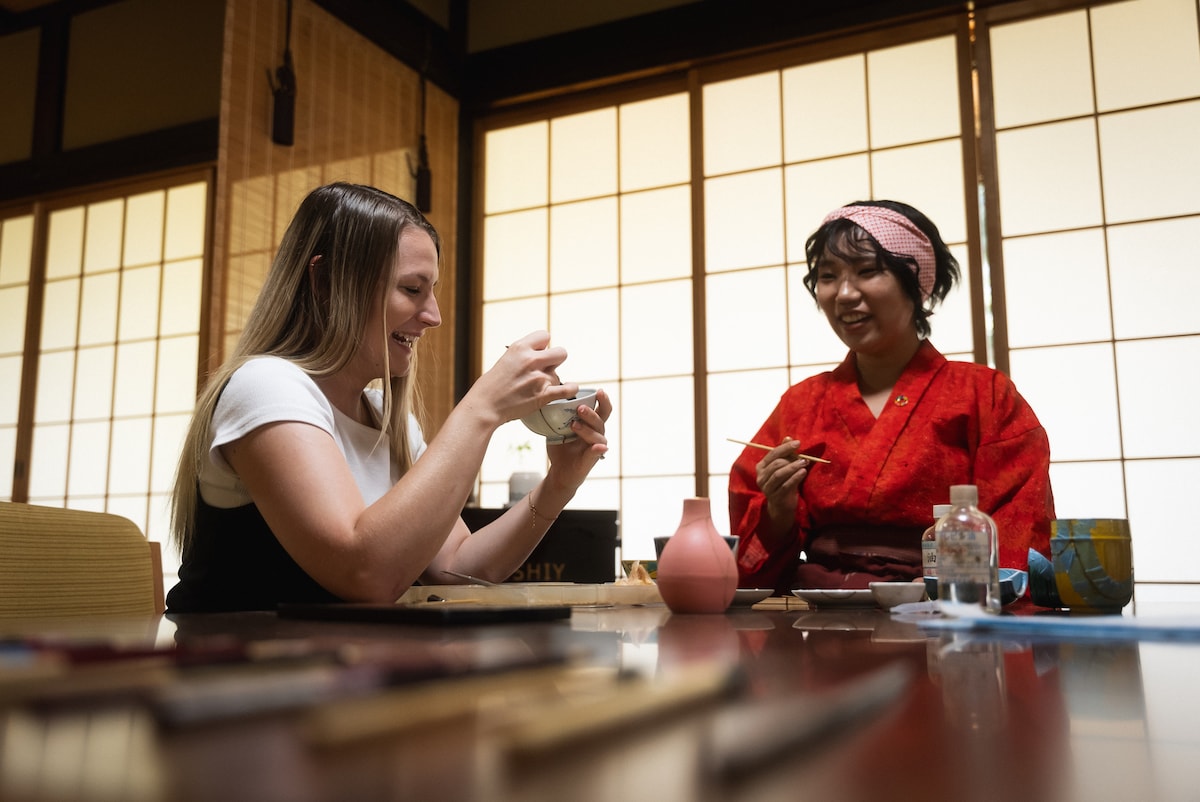
Kintsugi is a traditional Japanese restoration technique in which broken or chipped objects are repaired using urushi lacquer, functioning almost like an adhesive seal, to reconstruct missing parts.Rather than hiding cracks or damage, kintsugi intentionally highlights them—often with gold—giving the repair a decorative and expressive quality.
Many people associate kintsugi primarily with ceramic objects such as tea bowls or tea containers. However, it has also been applied to wooden objects, including bamboo flower vases or even tea whisks, depending on the historical context and materials involved.
Kintsugi as an Upcycling Culture Rooted in the Tea Ceremony
At its core, kintsugi belongs to a broader Japanese upcycling culture that originated within the world of chanoyu, the Japanese tea ceremony.
When tea culture first became popular among the samurai class, most tea utensils were extremely precious items imported from China. Owning such objects was comparable—using a modern analogy—to a rural high school student idolizing a famous MMA fighter like Mikuru Asakura (Japanese fighter) and desperately wanting a Rolex Daytona. Simply put, it was far beyond easy reach.
To possess a full set of tea utensils meant prestige, admiration, and social responsibility. These objects had to be treated with the utmost care. That sense of responsibility toward ownership lies at the foundation of Japanese restoration culture.
The Origin of Japanese Upcycling: “Bakkōhan”
One of the earliest and most famous examples of this mindset is the Chinese Southern Song dynasty celadon tea bowl known as “Bakkōhan” (馬蝗絆), currently housed in the Tokyo National Museum.
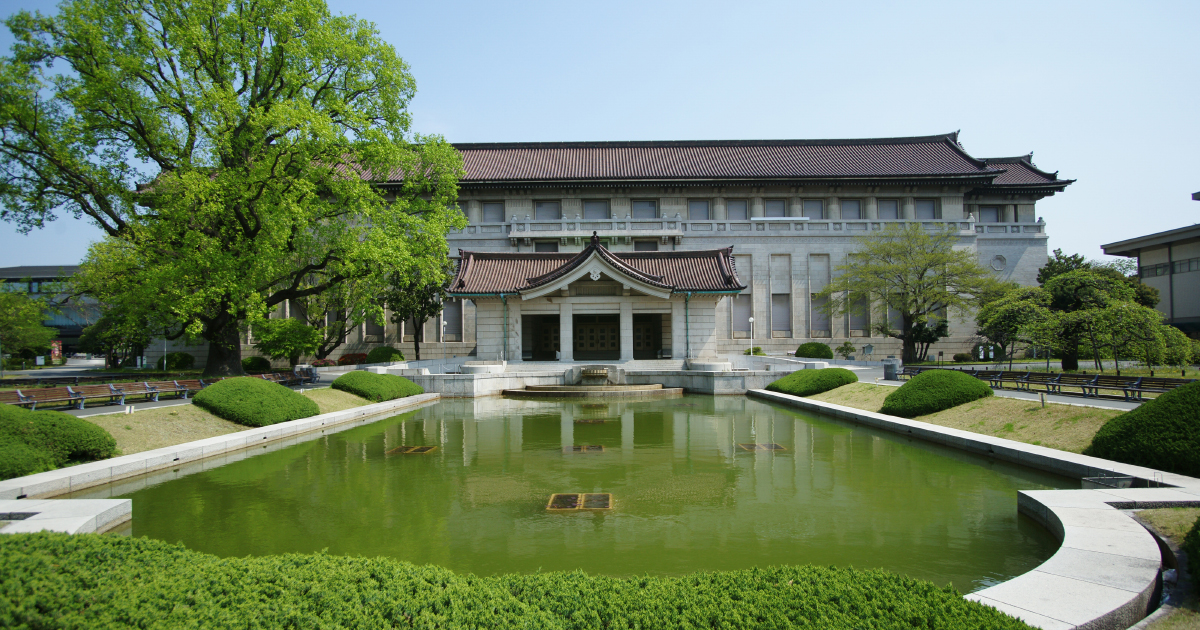
This bowl is considered one of the oldest and most historically significant Chinese tea wares preserved in Japan. When it was first presented to Ashikaga Yoshimasa, it was already cracked. Instead of being discarded, it was sent back to China and repaired using metal staples.
Why repair it instead of replacing it with something new?
In modern terms, it is like saying:“Mikuru Asakura is one of a kind—so he deserves a match that only he can have.” Its uniqueness made it irreplaceable.
This is truly something best understood by seeing the object in person.
The Beauty of Repair with Urushi
Moving forward in time, another renowned tea object is the tea container “Tsukumogami Nasu” (九十九髪茄子).
Like Bakkōhan, it was a highly prized Chinese object adored by many famous warlords.It survived multiple fires, which altered the texture of its glaze, and was repaired by rejoining fragments with urushi lacquer. Despite—or rather because of—these transformations, it still exists today as a masterpiece of tea culture.
As with Bakkōhan, its value lies in the fact that it is a one-of-a-kind object filled with layered history and stories. Nothing like it can ever exist again.
All Japanese art objects passed down from person to person and across generations are, without exception, unique.For reference, Bakkōhan was repaired using metal staples, while Tsukumogami Nasu was restored using a technique known as tomo-urushi (共漆), meaning lacquer-based joining.
Kintsugi alone does not define Japanese upcycling culture. Countless techniques and generations of craftsmen’s wisdom have allowed masterpieces to continue marking history.
Not a Perfect AI Beauty—But the One Only You Chose
Kintsugi is not merely decorative; it is deeply customized.
A repaired tea bowl—enhanced with silver, gold, or even maki-e lacquer decoration according to the owner’s direction—becomes a one-of-a-kind object shaped by that person’s taste and sensibility.
It is not a flawless, AI-generated beauty. It is more like the quiet classmate only you secretly admired—brought into the spotlight by your own devotion.

This deeply personal affection, this “lump of pure love,” is what a kintsugi tea bowl represents.
But the work does not end once the bowl is repaired. You must create a stage for it to shine.
By hosting a tea gathering and presenting the bowl, the object finally takes its place as the protagonist. In the world of tea, those who do this are called “sukisha”—people of refined taste and deep passion.
Just as the song “Ai no Katamari” (愛のかたまり) exists only because both Tsuyoshi Domoto and Koichi Domoto exist together, kintsugi tea bowls cannot exist without sukisha.
Although I am a restorer, my work fundamentally depends on the presence of such people.
Is It Over Once Something Is Broken?
Below, I have included reference images.

The quote “Once the vessel of the heart is cracked…” comes from the manga Shigurui (シグルイ), spoken by Okitsu Sanjūrō. It has since become a famous internet meme and has even been referenced in works like Jujutsu Kaisen(I love Suguru Geto 夏油傑).
He weeps not only because of damage, but because of wounded pride and his own fragile sensitivity. We can all relate. Life inevitably brings moments we cannot face honestly.
But lamenting alone changes nothing. Whether one goes to prison, suffers serious illness, faces bankruptcy, or divorce—life continues.
If the cracks in Okitsu’s heart were repaired with kintsugi or urushi, it might never be as strong as before. After all, it is still repaired. But what if we learned to love those scars as depth, as scenery, and decided to treat them more carefully from now on?
I believe this is what Sen no Rikyu, the father of the tea ceremony, meant by wabi-sabi.
Breaking does not mean the end. It means a new value—and a new individuality—has been born.
So lift your head. Live a life guided by your own sense, your own axis, and enjoy a daily life full of discovery and joy.
Shall we not learn this philosophy together?
Cultural Notes (for Overseas Readers)
Chanoyu (茶の湯): The Japanese tea ceremony; a highly ritualized cultural practice emphasizing aesthetics, philosophy, and mindfulness.
Urushi (漆): Natural Japanese lacquer made from sap; extremely durable but difficult to use, requiring humidity and time to cure.
Kintsugi (金継): “Golden joinery”; repairing broken objects with lacquer mixed with gold or other metals.
Sukisha (数寄者): A person deeply devoted to aesthetics, tea culture, and personal taste.
Wabi-sabi (侘び寂び): A Japanese aesthetic philosophy valuing imperfection, impermanence, and depth born from age and use.
Maki-e (蒔絵): A decorative lacquer technique using sprinkled gold or silver powder.


